
Color tattoos have become a popular choice due to their bold, expressive look and rich cultural significance from the classic red and black combinations to modern rainbow gradients using vegan-friendly pigments. However, behind the beauty of these vibrant hues lies an important question: are color tattoos safe for the skin?
With growing awareness about the health risks associated with tattoo ink and the rising demand for personalized colors, it’s essential for anyone considering a tattoo to understand safety aspects, historical context, and proper coloring practices. This article explores expert opinions, potential risks to watch out for, the meaning of color in tattoo traditions, and safe coloring tips including why Hendric Shinigami Tattoo Studio in Bali is known as a color tattoo artist who prioritizes not only artistic value but also safety and ethics.
The Meaning of Color in Tattoo Traditions

For thousands of years, tattoos have been a form of cultural and spiritual expression across the world. The colors used in traditional tattoos are not merely aesthetic—they carry deep symbolic meanings:
- Black is a foundational color in many tribal and modern tattoo styles. Known for its durability and resistance to fading, black ink symbolizes strength, identity, and ancestral heritage in Polynesian and Maori cultures.
- Red is often seen in traditional Japanese tattoos (irezumi), symbolizing protection, power, and passion. In Thailand’s Sak Yant tattoos, red is believed to channel spiritual energy and offer protection.
- Green & Blue have been used since ancient times, such as by the Celts and Picts who derived natural blue dyes from woad plants. In many cultures, green represents nature, fertility, or protection against negative energy.
- Yellow & Orange are more commonly found as accent colors in traditional American tattoos. These warm tones convey creativity and are often associated with spirituality and enlightenment.
In the past, color options were limited to natural sources like charcoal, ochre, and certain minerals. Today, ink technology has expanded the range of available colors significantly but user safety remains a primary concern.
Modern Takes on Classic Colors

With today’s advances in tattoo ink technology, artists can use a broader palette with safer, more vibrant outcomes:
- Bright Neons & Pastels: Neon pinks, icy blues, and soft pastels are trending in contemporary art styles, especially among younger tattoo enthusiasts.
- Watercolor Effects: Modern artists blend colors seamlessly into gradients, mimicking watercolor painting. This requires careful pigment layering and skin understanding.
- UV Ink: Some clients opt for tattoos that glow under blacklight, though these inks must be handled cautiously due to limited safety data.
Yet despite these innovations, many artists still incorporate classic color symbolism to ground their designs in tradition.
Health Risks of Color Tattoos
Color tattoo ink can add vivid life to your body art, but it doesn’t come without risks. Some of the most common health concerns include:
- Allergic Reactions: Certain pigments, especially red, yellow, and green, have a higher risk of causing allergic reactions. Symptoms can include itching, swelling, rash, and even long-term skin sensitivity.
- Toxic Ingredients: Older or lower-quality inks may contain heavy metals like mercury (in red), cadmium (in yellow), or chromium (in green). These can lead to inflammation, skin discoloration, or systemic toxicity.
- Photosensitivity: Some inks, particularly yellows and reds, can become reactive under sun exposure, causing burns or irritation.
- Infection Risks: Unsanitary tattooing practices or contaminated ink can introduce bacteria or viruses into the skin. This risk increases if the ink is diluted with unsterile water.
The FDA in the U.S. and health agencies in Europe are already evaluating certain pigments and additives in tattoo inks for long-term safety, including potential links to carcinogenic compounds.
7 How to Make Sure Your Tattoo Ink Is Safe
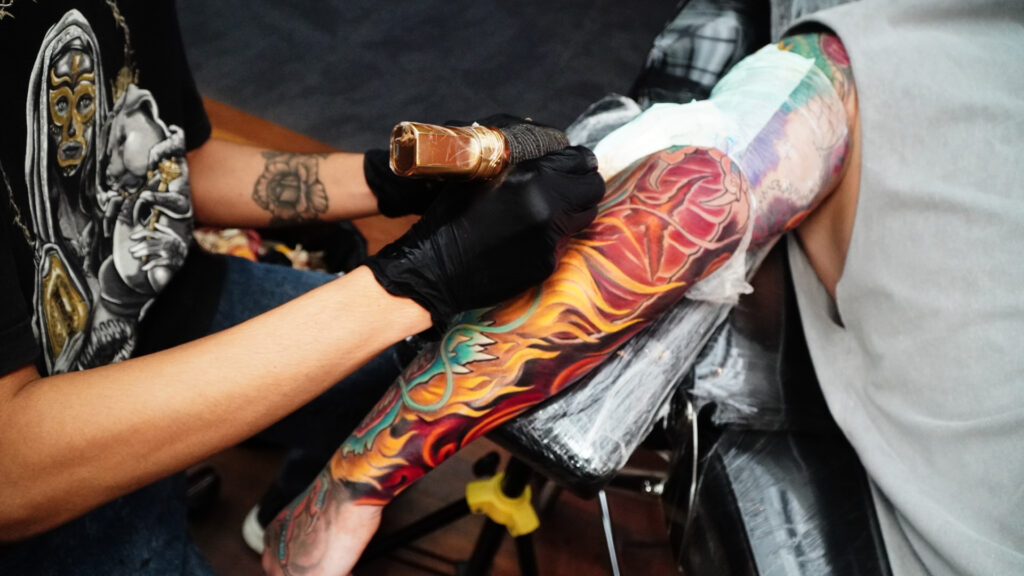
Whether you’re planning your first colorful piece or adding to a growing collection, ensuring your tattoo ink is safe is essential for both health and long-term results. Here are 7 Tips Safe Tattoo Coloring help you protect your skin and your artwork:
- Choose a Certified Artist
Always work with a licensed and reputable tattoo artist. Ask about their qualifications, hygiene protocols, and the ink brands they use. A professional artist should be transparent about product safety and have experience with color application. - Ask About the Ink
Inquire whether the inks are vegan, organic, or approved by regulatory bodies. High-quality ink brands often disclose their ingredients and avoid using heavy metals or toxic preservatives. - Do a Patch Test
If you have sensitive skin or a history of allergic reactions to cosmetics, dyes, or skincare products, request a patch test. This involves applying a small amount of ink to your skin in advance to see if any irritation develops. - Avoid Tanning Before & After
UV exposure can cause skin irritation before the tattoo and interfere with healing afterward. It can also cause some pigments, especially reds and yellows to fade or react negatively to sunlight. - Follow Aftercare Instructions Rigorously
Proper healing is crucial for color retention and skin health. Use a fragrance-free moisturizer, avoid scratching or picking, and stay out of pools, saunas, or the ocean until fully healed. - Don’t Rush Touch-Ups
Wait until your skin is fully healed, typically 4 to 6 weeks before booking a touch-up. Applying more ink too soon can damage the skin and lead to uneven color or scarring. - Monitor Your Skin Over Time
Even after healing, check your skin periodically for any signs of irritation, bumps, or fading. If something doesn’t look or feel right, consult a dermatologist or your tattoo artist.
By combining the use of vegan-organic inks with modern health protocols, Hendric Shinigami Tattoo in Bali has become a top choice for those seeking beautiful color tattoos without compromising on health, safety, or ethical values.