
Bali is a dream destination for surfers and tattoo enthusiasts alike. Visitors come from around the world to ride legendary waves and leave with meaningful artwork inspired by their travels. However, many travelers ask the same question before booking a tattoo appointment: can you get a tattoo and still surf in Bali?
The answer is yes, but proper planning is essential. Understanding the healing process and following professional aftercare advice can help protect your tattoo while allowing you to enjoy everything Bali has to offer. Whether you’re considering a small souvenir tattoo or a large custom piece, knowing when to surf and how to care for fresh ink is crucial.
Can You Get a Tattoo and Still Surf in Bali During Your Vacation?
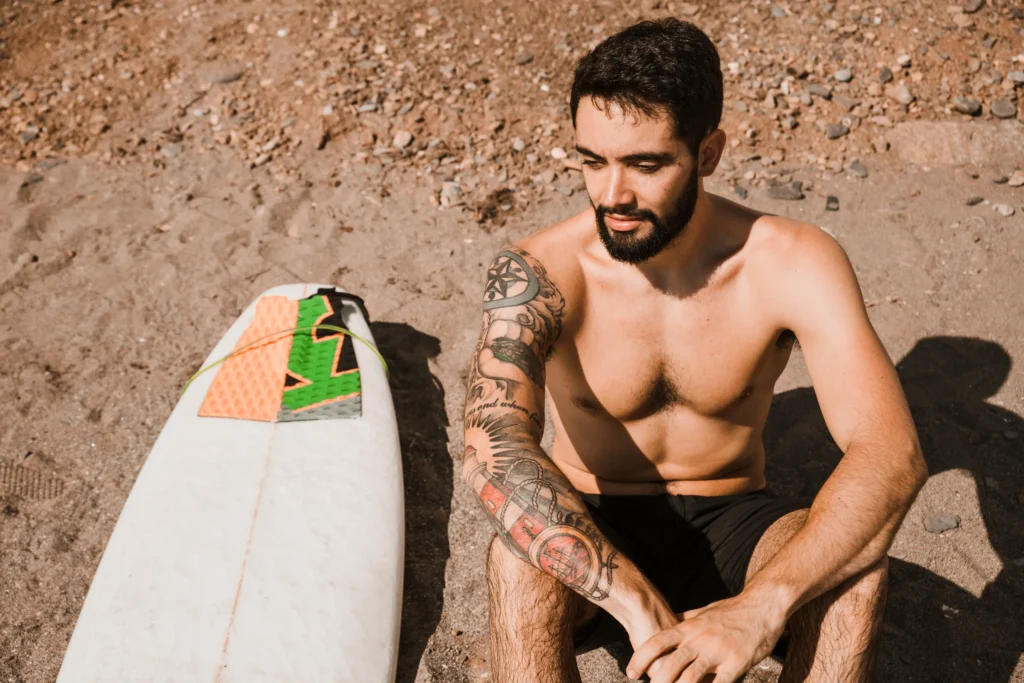
Many travelers only spend a short time on the island, which leads them to wonder whether they can get a tattoo and still surf in Bali without disrupting their holiday plans. While it is possible to enjoy both activities during the same trip, timing is everything. Experienced tattoo artists often recommend scheduling your tattoo toward the end of your vacation so you can enjoy surfing first and then focus on proper healing before returning home.
Surf After Tattoo in Bali: What You Need to Know Before Hitting the Waves
Getting a tattoo in Bali is an experience in itself. The island has some of Southeast Asia’s most talented artists, and it’s easy to walk out of a studio with fresh ink and immediately want to celebrate with a surf session.
But here’s what most people don’t think about: a fresh tattoo is an open wound. And the ocean, as beautiful as it is, isn’t exactly a sterile environment.
Why Seawater Is a Problem for Fresh Ink
Bali’s waters are warm, inviting, and full of bacteria. For healed skin, that’s no issue. For a tattoo that’s less than a few weeks old, it’s a different story. Saltwater can draw out ink before it fully sets, leading to fading or patchy results. Beyond aesthetics, prolonged exposure to seawater on broken skin also raises the risk of infection.
Sand and board friction add another layer of concern, as both can irritate the area and disrupt the healing process before it’s complete.
Recommended Waiting Time Before Returning to the Ocean
Most professional tattoo artists recommend waiting a minimum of 2–4 weeks before surfing. Larger or more detailed pieces may need longer. If the tattoo is still peeling, itchy, or hasn’t fully closed, it’s not ready for the ocean. Smaller tattoos may heal more quickly, while larger pieces, sleeves, or highly detailed designs often require additional recovery time.
At Hendric Shinigami Tattoo Studio in Seminyak Bali, clients are encouraged to allow the tattoo to complete its initial healing stage before exposing it to seawater. Following professional aftercare recommendations helps ensure optimal healing and long-lasting tattoo quality.
The Best Strategy to Get a Tattoo and Still Surf in Bali
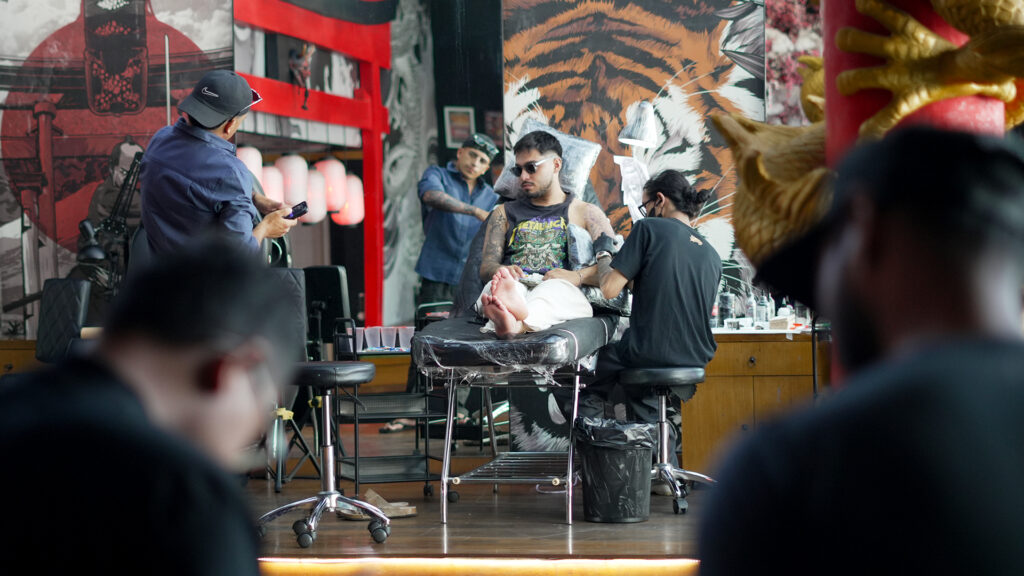
If your goal is to get a tattoo and still surf in Bali, planning your itinerary in advance can make a significant difference. Many surfers choose to complete their surf sessions during the first part of their trip and book their tattoo appointment for the final days before departure. This approach minimizes the risk of exposing fresh ink to seawater while allowing you to enjoy both experiences without compromising tattoo quality.
Why Surfing After a Tattoo Can Be Risky
A fresh tattoo is essentially an open wound. During the first few weeks, your skin is healing and rebuilding its protective barrier. Exposing a new tattoo to seawater too soon can introduce bacteria, irritate the skin, and interfere with proper healing.
Some common risks of surfing after getting a tattoo include:
- Increased chance of bacterial infection
- Prolonged healing time
- Ink fading or patchy color retention
- Excessive scabbing
- Skin irritation from saltwater
- Sun damage from prolonged beach exposure
Although Bali’s ocean may look clean and inviting, natural seawater contains microorganisms that can enter healing skin and potentially cause complications.
Essential Tattoo Care Tips in Bali
Proper tattoo care is one of the most important factors in achieving a beautiful final result.
Keep Your Tattoo Clean
Wash the tattoo gently using mild soap and clean water. Avoid harsh products that may irritate healing skin.
Avoid Ocean Water During Healing
Even if the tattoo appears healed on the surface, it is best to wait until your artist confirms that swimming and surfing are safe.
Protect Your Tattoo from Bali’s Sun
Strong UV exposure can damage healing skin and contribute to premature fading. Keep the tattoo covered whenever possible during the early healing stages.
Follow Professional Aftercare Instructions
Every tattoo is different. Following the personalized aftercare guidance provided by your artist can significantly improve healing results.
How to Get a Tattoo and Still Surf in Bali Safely
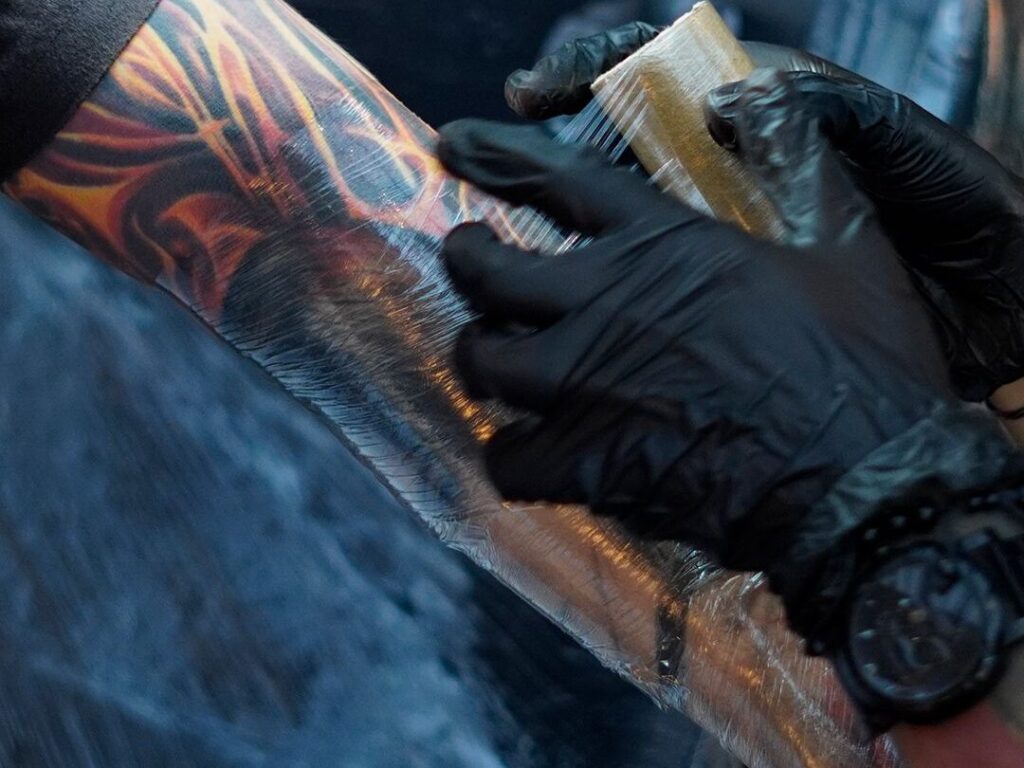
The safest way to get a tattoo and still surf in Bali is to follow professional aftercare instructions carefully and avoid rushing back into the ocean. Every person’s healing process is different, and factors such as tattoo size, placement, and skin type can affect recovery time. Consulting with an experienced Bali tattoo artist will help you determine when your tattoo is fully healed and ready for surfing, swimming, and other beach activities.
Hygiene and Safety Standards at a Tattoo Studio in Bali
Healing well starts with getting tattooed safely, and that begins the moment you sit in the chair. At Hendric Shinigami Tattoo Studio in Seminyak, hygiene and client safety are built into every session. Professional standards include single-use sterile needles, sanitized equipment and workstations, high-quality supplies, and detailed aftercare guidance from experienced artists, everything you’d expect from a studio that regularly works with international clients.
For surfers balancing a trip with a tattoo appointment, the team can also provide advice on timing and aftercare based on your specific plans, so you’re not guessing when it’s safe to get back in the water.