
Getting a new piercing is exciting, but proper care is essential to make sure it heals safely. Many people worry about whether their piercing is healing normally or becoming infected. Knowing the difference between piercing healing vs infection can help you avoid complications and ensure a smooth recovery.
In this guide, we’ll explain the signs of healthy healing, symptoms of infection, and the best piercing aftercare tips to help your piercing heal properly.
Normal Piercing Healing Process
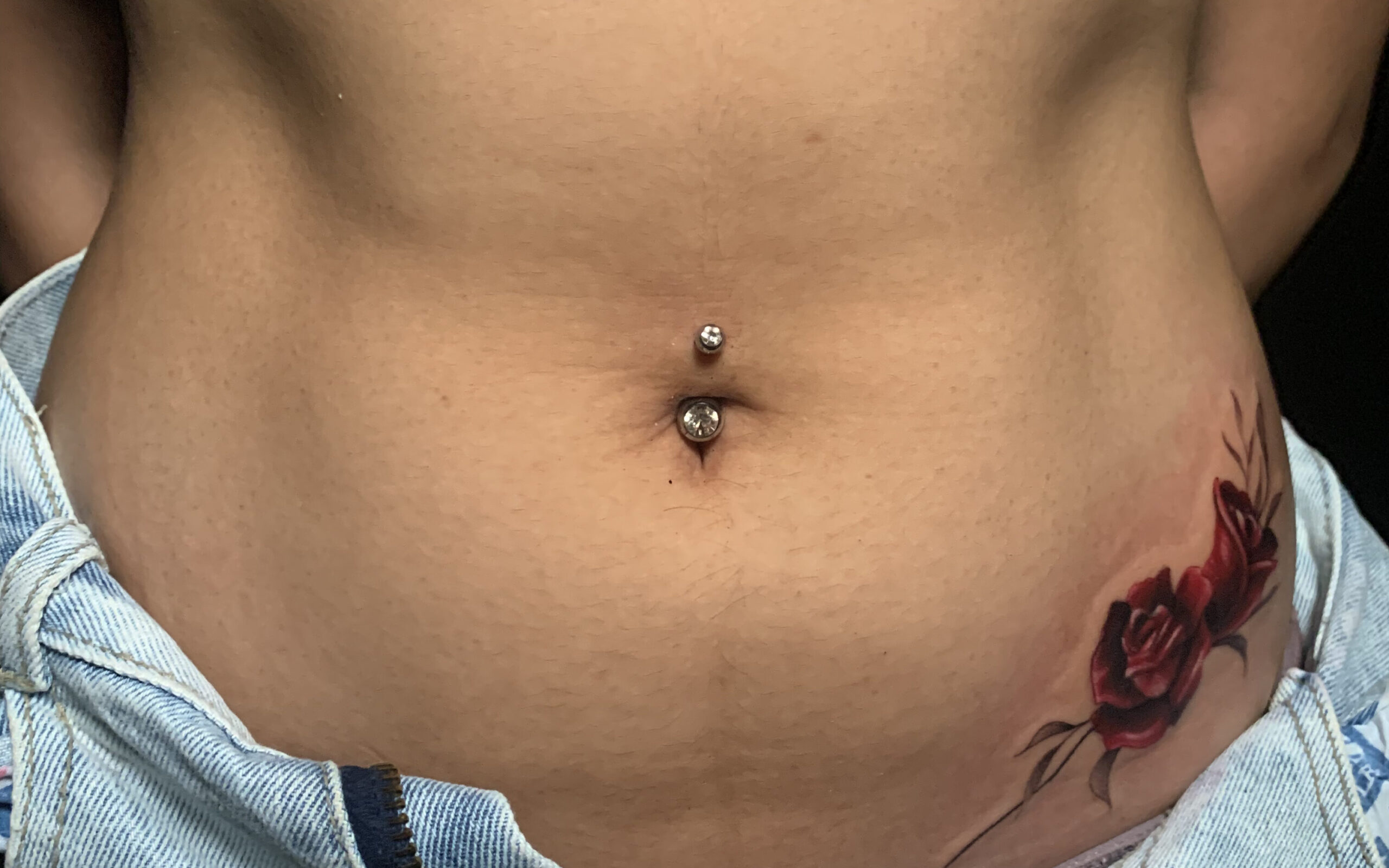
After getting a piercing, your body begins a natural healing process. The pierced area is technically a small wound, so the body works to repair the tissue around the jewelry. Signs that your piercing is healing properly usually include:
- Mild redness around the piercing
- Slight swelling during the first few days
- A small amount of clear or pale yellow fluid
- Light tenderness when touched
- Formation of small crusts around the jewelry
These symptoms are normal and usually improve as the piercing heals. During this stage, it’s important to follow proper piercing aftercare to avoid irritation and infection.
Ear Piercing Healing Time
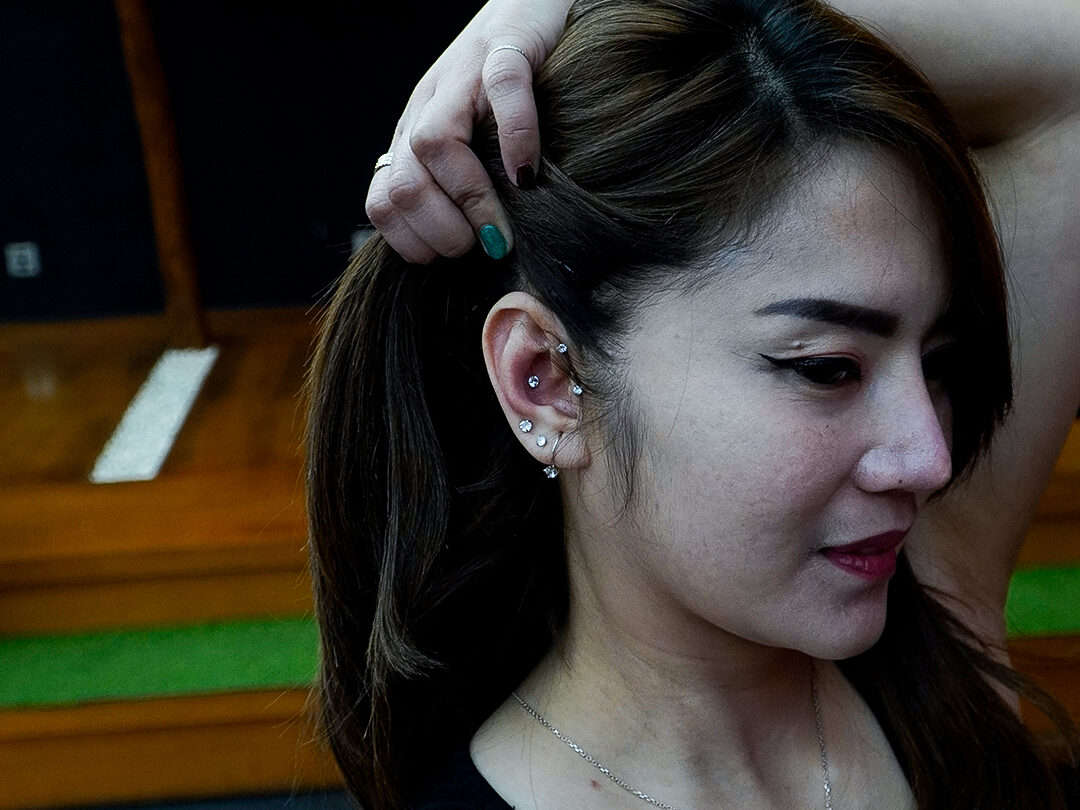
Healing time depends on the location of the piercing. Some areas heal faster than others because of blood circulation and tissue thickness.
Typical ear piercing healing time includes:
- Earlobe piercing: around 6–8 weeks
- Ear cartilage piercing: 3–6 months
- Nose piercing: 2–4 months
- Navel piercing: 6–12 months
Even if the piercing looks healed on the outside, the inner tissue may still be recovering. That’s why consistent care is important throughout the entire piercing recovery period.
Signs Your Piercing May Be Infected
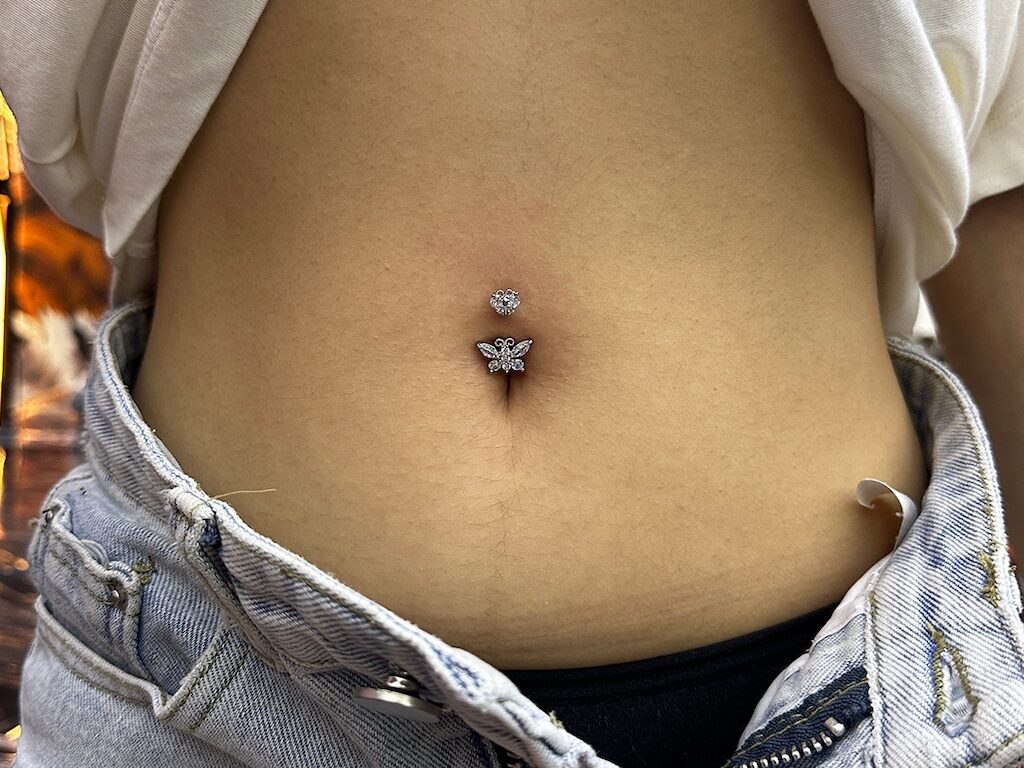
While mild redness and swelling are normal, certain symptoms may indicate an infection. Recognizing piercing infection signs early can prevent more serious problems.
Common infection symptoms include:
- Intense or spreading redness
- Severe swelling that worsens over time
- Thick yellow or green pus
- Strong or unpleasant odor
- Persistent throbbing pain
- Skin feeling warm around the piercing
In severe cases, you may also experience fever or significant discomfort. If these symptoms appear and continue to worsen, medical attention may be necessary.
Difference Between Irritation and Infection
Many people confuse irritation with infection, but they are not the same. Piercing irritation is often caused by friction, sleeping on the piercing, or touching it too frequently. Symptoms may include:
- Mild redness
- Small bumps near the piercing
- Slight swelling
- Temporary tenderness
These symptoms usually improve once the irritation source is removed.
Piercing infection, however, tends to worsen over time and often includes pus, strong pain, and spreading redness.
Understanding the difference between irritation and infection piercing issues helps you decide when simple aftercare is enough and when medical help is needed.
Tips Piercing Aftercare
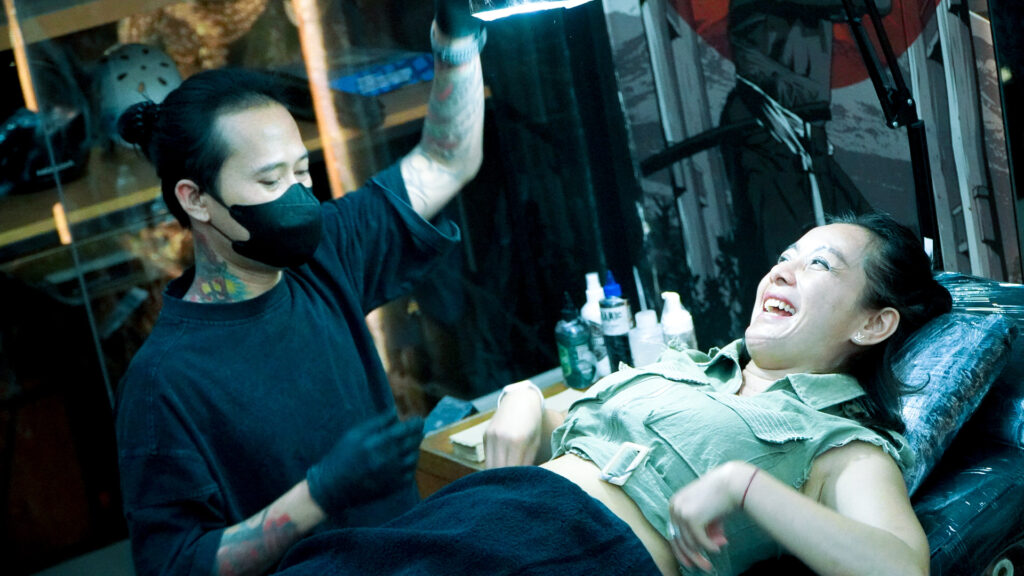
Proper piercing aftercare plays a crucial role in preventing infection and supporting healing. Follow these basic care tips:
Clean the piercing twice daily
Use a sterile saline solution to gently clean the area. Avoid harsh chemicals like alcohol or hydrogen peroxide.
Avoid touching the piercing unnecessarily
Always wash your hands before touching the jewelry to prevent bacteria transfer.
Do not remove the jewelry during healing
Removing jewelry too early may trap bacteria and worsen infection.
Be careful with clothing and hair
Tight clothing or hair getting caught in jewelry can cause irritation and slow healing. Consistent care will help your piercing heal faster and reduce complications.
Nose Piercing Care
Nose piercings require extra attention because the nose is exposed to air and bacteria. Follow these nose piercing care tips:
- Clean with saline solution twice daily
- Avoid rotating or twisting the jewelry
- Keep makeup away from the piercing
- Change pillowcases regularly
Maintaining good hygiene can greatly reduce the risk of irritation or infection.
Piercing Infection Treatment at Home
For mild irritation or early symptoms, simple piercing infection treatment at home may help. You can try:
- Cleaning the area with saline solution
- Applying a warm saline compress for several minutes
- Avoiding skincare products around the piercing
- Keeping the jewelry in place while healing
However, if symptoms worsen or do not improve within a few days, professional medical advice is recommended.
When Should You See a Doctor?
Although most piercings heal without problems, you should seek medical attention if you notice:
- Severe swelling or spreading redness
- Continuous pus discharge
- Fever or chills
- Increasing pain
- Darkening or unusual skin color around the piercing
Prompt treatment can prevent the infection from spreading and protect your health.
Choose a Professional Piercing Studio
A safe piercing starts with choosing an experienced studio that follows proper hygiene standards. Professional piercers use sterile equipment and high-quality jewelry to minimize the risk of infection and ensure proper healing. Getting pierced by trained professionals also means you’ll receive clear instructions for piercing aftercare and recovery.
Ready for a Safe Piercing in Bali?
Book your appointment today hendricshinigamitattoo.com/contact Hendric Shinigami Tattoo Studio Bali provides professional piercing services in a clean and safe environment, ensuring every client gets the best experience possible.